Before they even know they have a claim.
Most mass tort marketing begins with information and visibility.
The people who may have a legitimate claim often have no idea that product liability litigation exists. They may not know a drug they’re prescribed has been linked to serious side effects or that a medical device has generated thousands of other complaints. They may not even connect their injury to a product they used months or years ago.
That creates a unique marketing challenge for plaintiff law firms. In a typical personal injury case, someone knows something happened. There was a car accident, a fall, or another clear event that prompts them to search for legal help. Mass torts work differently. Before someone can search for a lawyer, they often need to understand that a product, medication, or device may be responsible for what they’re experiencing.
Research from the RAND Corporation suggests that only a small percentage of people who could potentially participate in a mass tort ever file a claim. For plaintiff firms, that means successful mass tort marketing is not just about capturing demand. It is about creating awareness. The lawyers who consistently generate qualified mass tort cases are the firms that educate first. They publish content around emerging litigation, answer questions about defective products, explain known injuries and symptoms, and help potential plaintiffs understand whether their experiences may be connected to a larger legal issue.
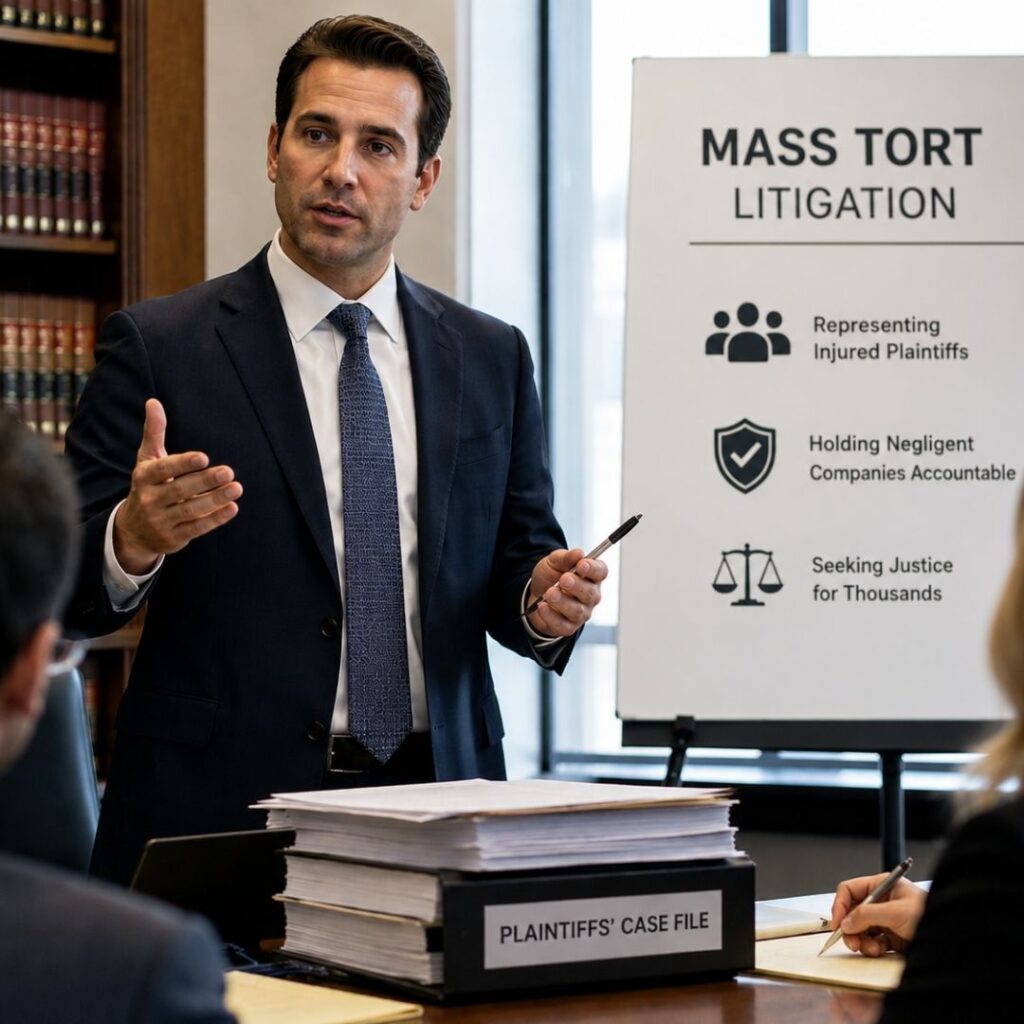
That is where mass tort marketing becomes especially important. Instead of competing only for searches like “mass tort lawyer,” firms can connect with potential claimants much earlier in the process through searches related to products, medications, recalls, side effects, and injuries. Let’s look at how personal injury law firms build awareness around mass tort litigation, reach qualified plaintiffs earlier, and create a sustainable pipeline of mass tort cases.
Symptoms First, Lawsuits Later: How Mass Tort Clients Search
With individual injury cases, people usually know something happened. A crash. A fall. A clear traumatic event. With mass torts, the harm often creeps in slowly. A medication taken for years. A medical device that fails over time. A product used every day that slowly causes disease. So by the time a person reaches Google, they’re likely not searching “mass tort lawyer.” They’re looking for information like “why am I so tired after taking X,” or “lawsuit over Y drug side effects,” or “is Z product recalled.”
That is the mass tort SEO challenge. The people who most need your help may not yet recognize that they are potential plaintiffs. If your law firm only targets bottom-of-funnel keywords like “X lawsuit lawyers,” you miss a huge number of people who are still at the “what is happening to me” stage.
Now layer on top the emotional and financial weight. Someone facing a possible defective product injury might be losing wages, paying medical bills, and trying to keep a family stable. They are not reading banner ads for fun. They are searching in between doctor visits. They are worried about work. They are hoping not to be scammed. If your marketing feels pushy, vague, or exploitative in any way, they will click away.
Your law firm marketing needs to meet people where they are, give clear and honest information, and guide them gently toward a free, low-pressure consult.
How SEO, PPC, and Web Content Reach Potential Plaintiffs Early
Imagine a middle-aged patient who has been on a specific medication for years. They start to notice serious side effects and search “is [drug] causing kidney problems” at midnight on their phone. Your firm has an opportunity to connect with this person by offering a detailed, non-alarmist guide that has answers related to that topic, explains known risks, and outlines next steps—like what to ask a doctor. You are not pushing a lawsuit, you’re offering reassurance and real suggestions.
The heart of thoughtful mass tort marketing for personal injury firms is a content ecosystem where:
- SEO brings in people searching questions and symptoms related to the product or drug.
- PPC captures urgent or time-sensitive searches and tests new messaging quickly.
- Content turns your website into a resource hub, not just a lead form with legal jargon.
Of course, there is risk specific to this practice area. Poorly targeted ads can feel like ambulance chasing. Overpromising results can draw both bar complaints and attention from regulators. The Federal Trade Commission has clear expectations around truthful online advertising, including how you present claims and disclosures. If you want to understand those rules more deeply, you can review the FTC’s guidance on online advertising and marketing practices. Every message, from your title tags to your intake scripts, needs to be grounded in facts, clear about limitations, and honest about past results. No guarantees. No “slam dunk” language. Just straight talk about options, risks, and timelines.
Mass Tort Lead Generation Strategies: A Comparison
| Approach | What It Looks Like | Main Benefits | Main Risks |
|---|---|---|---|
| SEO Focus | Organic visibility for product, drug, symptom, and recall-related searches tied to mass tort litigation. | Long-term asset. High trust. Strong compounding visibility across multiple torts. Full control over messaging. | Slow to build. Requires ongoing content and technical work. Competitive in high-value niches. |
| PPC Focus | Paid search targeting high-intent and symptom-based queries tied to active litigation. | Immediate traffic. Fast testing of new torts and messaging. Scales quickly during active windows. Builds early awareness. | High cost in competitive cases. Requires strict compliance. Stops immediately when spend stops. |
| Content Marketing Focus | Educational pages explaining symptoms, products, recalls, and potential legal connections. | Supports SEO and PPC performance. Establishes trust before legal intent exists. | Slow lead attribution. Needs amplification via SEO or PPC. Must be carefully framed for accuracy. |
Whichever route you choose, your firm is still responsible for how it presents information. That includes how you use testimonials and endorsements in mass tort campaigns. The FTC’s guidance on endorsements and testimonials is a good reference point when you consider reviews, case stories, or influencer-style content.
3 Strategies to Build Awareness and Generate More Mass Tort Cases
1. Map the Plaintiff Search Journey.
Start by listing how a harmed person would actually search at each stage. Not how you wish they would search, but the phrases they type at 11 p.m. on their phone.
- Top of funnel. “Is [drug] safe long term” “side effects of [device]” “why does my [symptom] keep getting worse.”
- Middle of funnel. “[drug] recall” “[product] lawsuit news” “who is responsible if [device] fails.”
- Bottom of funnel. “[drug] injury lawyer” “[product] lawsuit attorney near me.”
Then build content and ads that match each stage. Early content should focus on education and medical questions. Midstage content can explain what a mass tort is, how cases are grouped, and what timelines look like. Bottom-of-funnel pages can discuss your experience and process, including clear next steps for a free case review.
2. Use SEO and PPC Together to Reach Plaintiffs at Every Stage.
SEO is your long-term engine. PPC is your fast feedback loop. If you are testing a new defective product or emerging tort, run tightly targeted PPC campaigns first. You will see which search terms convert, which questions people ask on landing pages, and which messages resonate. Then you can build or refine organic content around the winners.
On the SEO side, focus on clear, plain-language resources. FAQs, symptom checklists, timelines of recalls, and “what to ask your doctor” guides help people feel supported, not sold. Each page should have a gentle invitation to talk, with phone and form options. Something as simple as “If you think this might be happening to you, you can call us at [your-office-number] to talk through your situation” goes a long way.
3. Align Intake, Screening, and Follow-Up Processes With Your Marketing.
Even the best mass tort marketing services fail if intake feels rushed, confusing, or inconsistent with what people saw online. Your intake team should be trained on the specific product or drug, the qualifying criteria, and the tone you want to set. They should be ready to listen first, not push a signature.
Use simple checklists so callers do not have to tell their story five times. Be honest if they do not qualify. Offer referrals or resources when possible. Follow up in a timely way and explain what will happen next. When your internal process matches your external messages, trust grows. That trust leads to fewer complaints, better reviews, and more referrals from people who felt heard, even if you could not take their case.
Final Thoughts: Mass Tort Marketing Starts With Awareness
It’s perfectly understandable to feel cautious about mass tort marketing. There’s real risk when firms treat people’s pain and strife as just another lead source. At the same time, when you stay silent, people harmed by faulty products, defective drugs, or failing medical devices end up signing with someone else, or worse—never getting justice at all. You have digital marketing strategies such as SEO, PPC, and content generation at your disposal to educate, to listen, and to guide potential plaintiffs. You can build awareness around defective products in a way that respects both the law and the human beings behind every search query.
If you want a partner that understands thoughtful mass tort marketing and can help you design a strategy that fits your values, get in touch with us. Or you can learn more about marketing for personal injury law firm marketing here.